Rehabilitation Investment Tax Credit Consultation
The United States Government encourages the preservation and adaptive reuse of
historic buildings with the federal rehabilitation investment tax credit (RITC) program.
The tax credits are an incentive which encourage property owners to rehabilitate their
historic buildings in an historically appropriate manner. Two types of federal credits are
available:
- 20% tax credit for the certified rehabilitation of an historic structure
- 10% tax credit for the rehabilitation of a pre-1936 non-historic,
non-residential structure
In order to be eligible for RITCs, an owner must have a building which is considered a
certifiable historic property, must meet the requirements for a substantial rehabilitation
and must pursue an architectural program which meets the requirements of the
Secretary of the Interior's Standards for the Rehabilitation of Historic Properties. The
Standards include guidelines for very specific aspects of rehabilitation work, including
significant architectural features, exterior masonry, windows, floor plans, additions, etc.
In short, however, they are intended to guide architectural programs to ensure that
significant aspects of an historic building are respected and that historic building
materials and features are treated properly.
To obtain tax credits, the Owner must submit a series of applications which include
photographs taken before and after construction, building information, drawings,
specifications, a narrative description of the proposed work and supporting
documentation. Submitted to the State Historic Preservation Office (SHPO), and the
National Park Service (NPS), the applications are as follows:
- Part 1, Evaluation of Significance: This document is used to determine
whether the building is eligible for the tax credits.
- Part 2, Description of Rehabilitation: This is the core document for tax credit
applications, describing in detail the architectural program for the building
and making a case for the fact that the program will be completed in
accordance with the Standards.
- Part 3, Request for Certification of Completed Work: This document is
accompanied by photographs which demonstrate that work has been
completed in accordance with the Part 2 Application.
Keystone Preservation's staff has successfully guided property owners through the
rehabilitation process for more than 220 buildings. We work closely with owners,
architects, contractors and historic reviewing agencies to ensure that issues are
addressed properly and in a timely manner. Our role in successful projects typically
includes pre-construction consultation, design review, site visits during construction, as
well as negotiations with the SHPO and NPS.
The United States Government encourages the preservation and adaptive reuse of
historic buildings with the federal rehabilitation investment tax credit (RITC) program.
The tax credits are an incentive which encourage property owners to rehabilitate their
historic buildings in an historically appropriate manner. Two types of federal credits are
available:
- 20% tax credit for the certified rehabilitation of an historic structure
- 10% tax credit for the rehabilitation of a pre-1936 non-historic,
non-residential structure
In order to be eligible for RITCs, an owner must have a building which is considered a
certifiable historic property, must meet the requirements for a substantial rehabilitation
and must pursue an architectural program which meets the requirements of the
Secretary of the Interior's Standards for the Rehabilitation of Historic Properties. The
Standards include guidelines for very specific aspects of rehabilitation work, including
significant architectural features, exterior masonry, windows, floor plans, additions, etc.
In short, however, they are intended to guide architectural programs to ensure that
significant aspects of an historic building are respected and that historic building
materials and features are treated properly.
To obtain tax credits, the Owner must submit a series of applications which include
photographs taken before and after construction, building information, drawings,
specifications, a narrative description of the proposed work and supporting
documentation. Submitted to the State Historic Preservation Office (SHPO), and the
National Park Service (NPS), the applications are as follows:
- Part 1, Evaluation of Significance: This document is used to determine
whether the building is eligible for the tax credits.
- Part 2, Description of Rehabilitation: This is the core document for tax credit
applications, describing in detail the architectural program for the building
and making a case for the fact that the program will be completed in
accordance with the Standards.
- Part 3, Request for Certification of Completed Work: This document is
accompanied by photographs which demonstrate that work has been
completed in accordance with the Part 2 Application.
Keystone Preservation's staff has successfully guided property owners through the
rehabilitation process for more than 220 buildings. We work closely with owners,
architects, contractors and historic reviewing agencies to ensure that issues are
addressed properly and in a timely manner. Our role in successful projects typically
includes pre-construction consultation, design review, site visits during construction, as
well as negotiations with the SHPO and NPS.
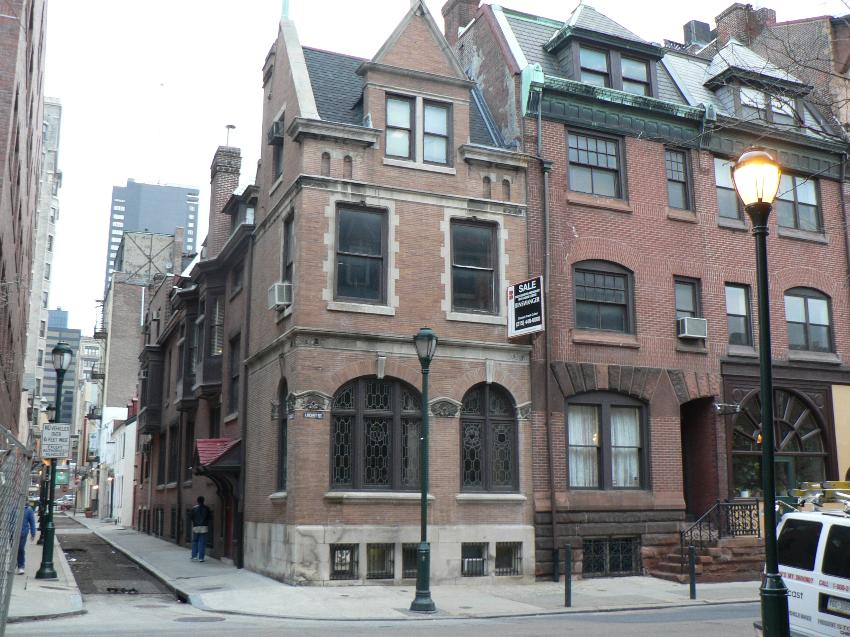
The Princeton Club, exterior
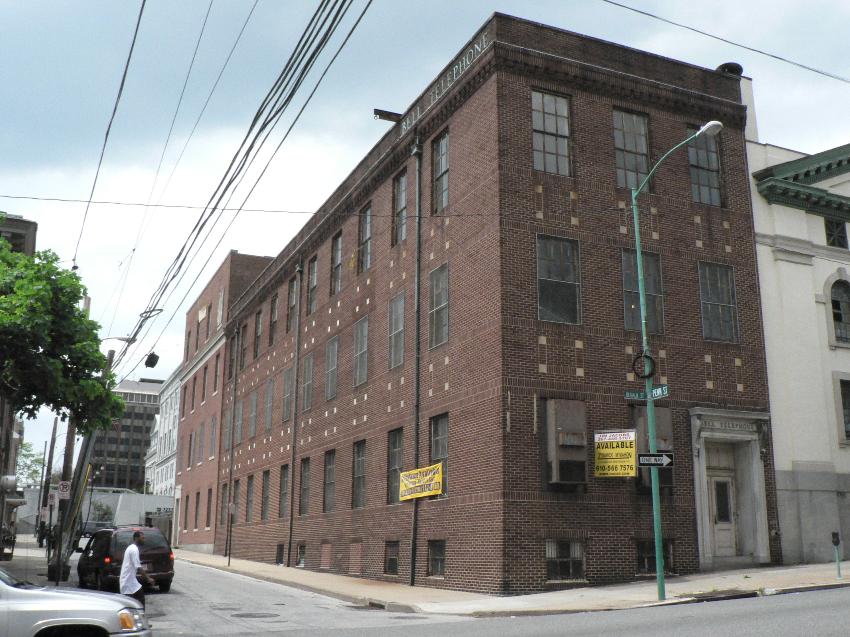
Bell Telephone Building, exterior
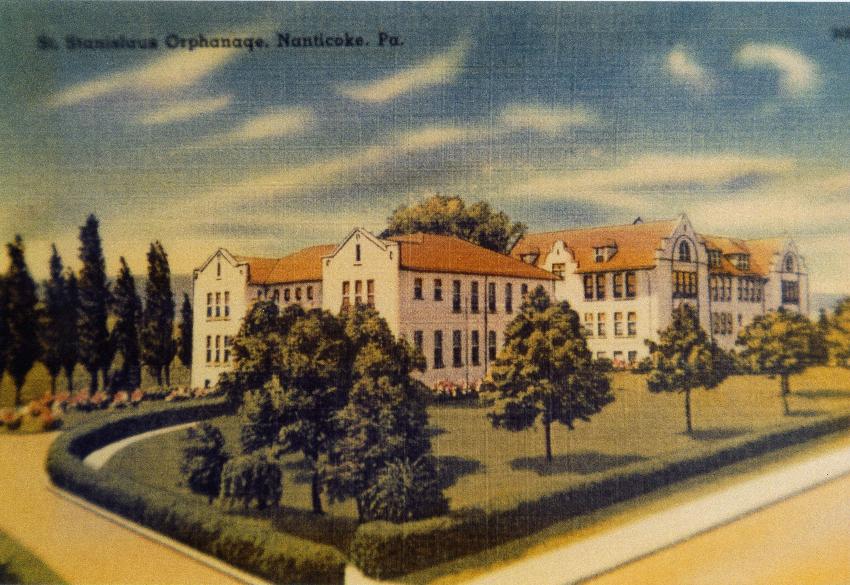
St. Stanislaus Institute, historic photo


 |  |  |  |  |  |
Keystone Preservation Group
Historic Preservation, Architectural Conservation, Scope Consultation, RITC Consulting
Historic Preservation, Architectural Conservation, Scope Consultation, RITC Consulting