Analysis of Historic Mortars, Plasters and Stuccoes
Keystone regularly completes compositional analyses for composite materials such as
mortars, plasters and stuccoes from historic buildings. The primary objective of mortar
analysis varies from project to project. In some cases, mortar analysis is required to
obtain project funding. In others, it is intended to provide information on the evolution
of and changes made to an historic property over time; this can be especially critical for
HSRs or preservation plans in addressing buildings whose history is not completely
understood.. In many cases, mortar analysis is intended to provide base information on
which new repair mortars can be based.
Standardized tests produce numerical data which requires interpretation; however, similar
data can be produced by compositionally dissimilar materials. Therefore, the knowledge
and breadth of experience of the analyst is a critical component of mortar analysis. Over
the course of a decade and a half, our conservation staff has analyzed more than 600
historic composite materials, regularly employing the following analytical techniques:
Jedrzejewska calcimeter method: This technique essentially breaks down a sample into
constituent parts and provides data on the nature of the binder by gauging the extent of
its reaction with hydrochloric acid. Analysis provides quantifiable data on quantities of
calcium carbonate, soluble silicates and solids which is compared with published
experimental standards to produce volumetric information for lime, cement and sand.
Basic compositional and visual analysis: Mortars based on different materials (lime, clay,
cement and pigments) not only look different, but have different reactive characteristics.
With this technique, basic acid digestion and visual assessment can provide information
on the components present within a particular mortar mix.
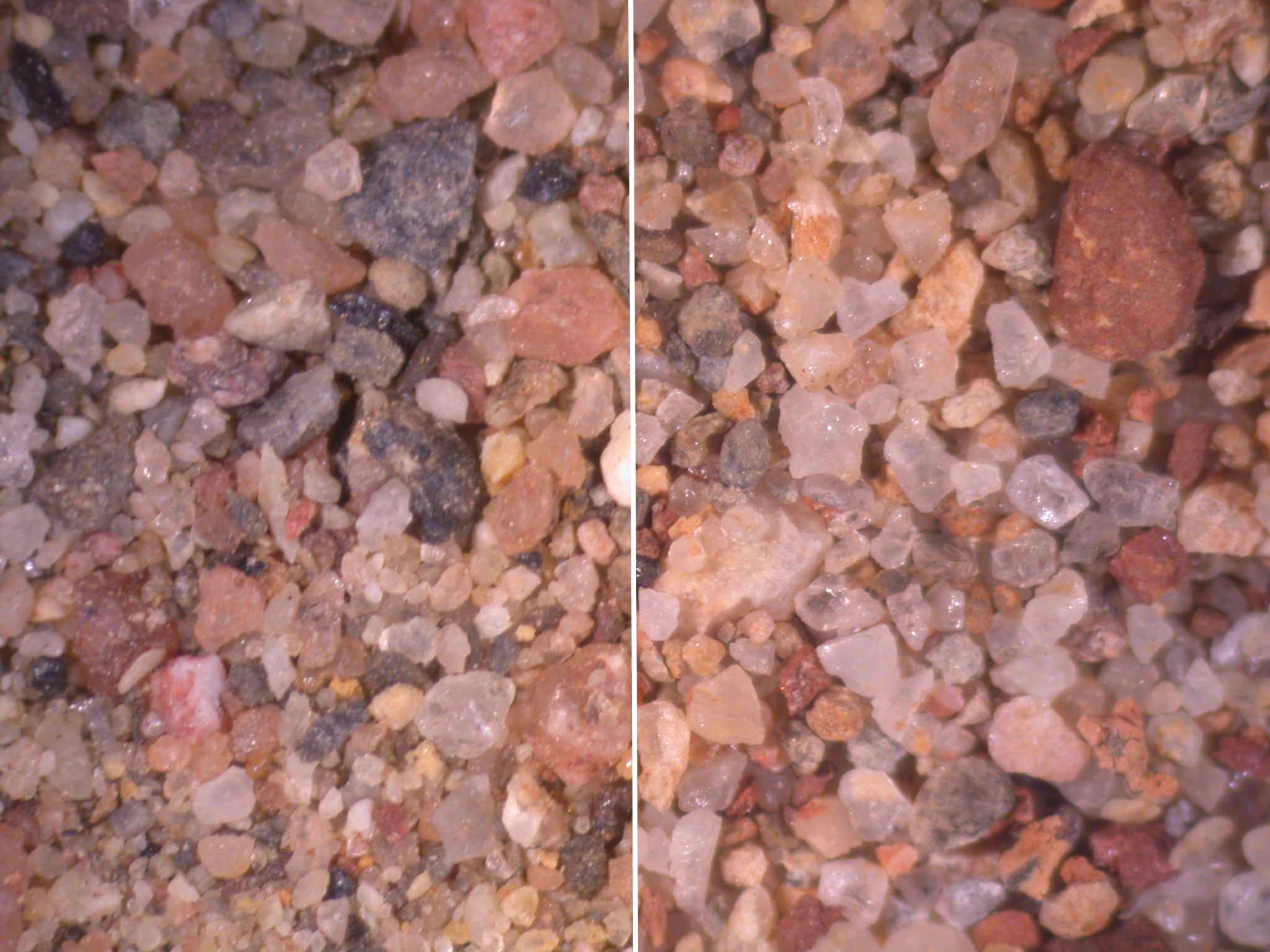
Aggregate matching: Original sands are extracted and isolated, and contemporary
aggregates provided to match their color and gradation.
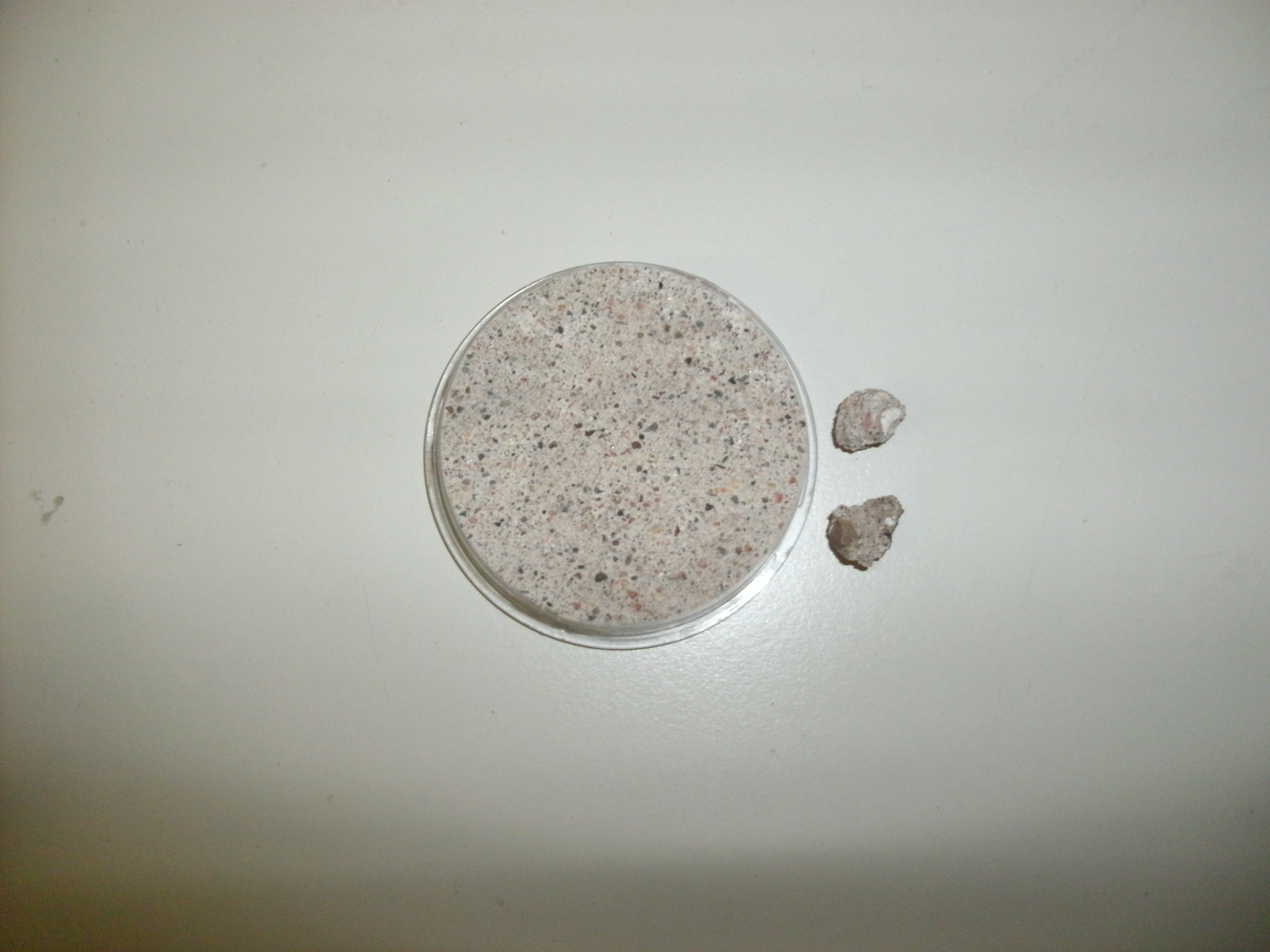
Replication mortars: We are often asked to produce replication discs to exactly match
the color, texture and composition of the original mortars; doing so can often save time
which would otherwise be spent for quality mock-ups during construction.
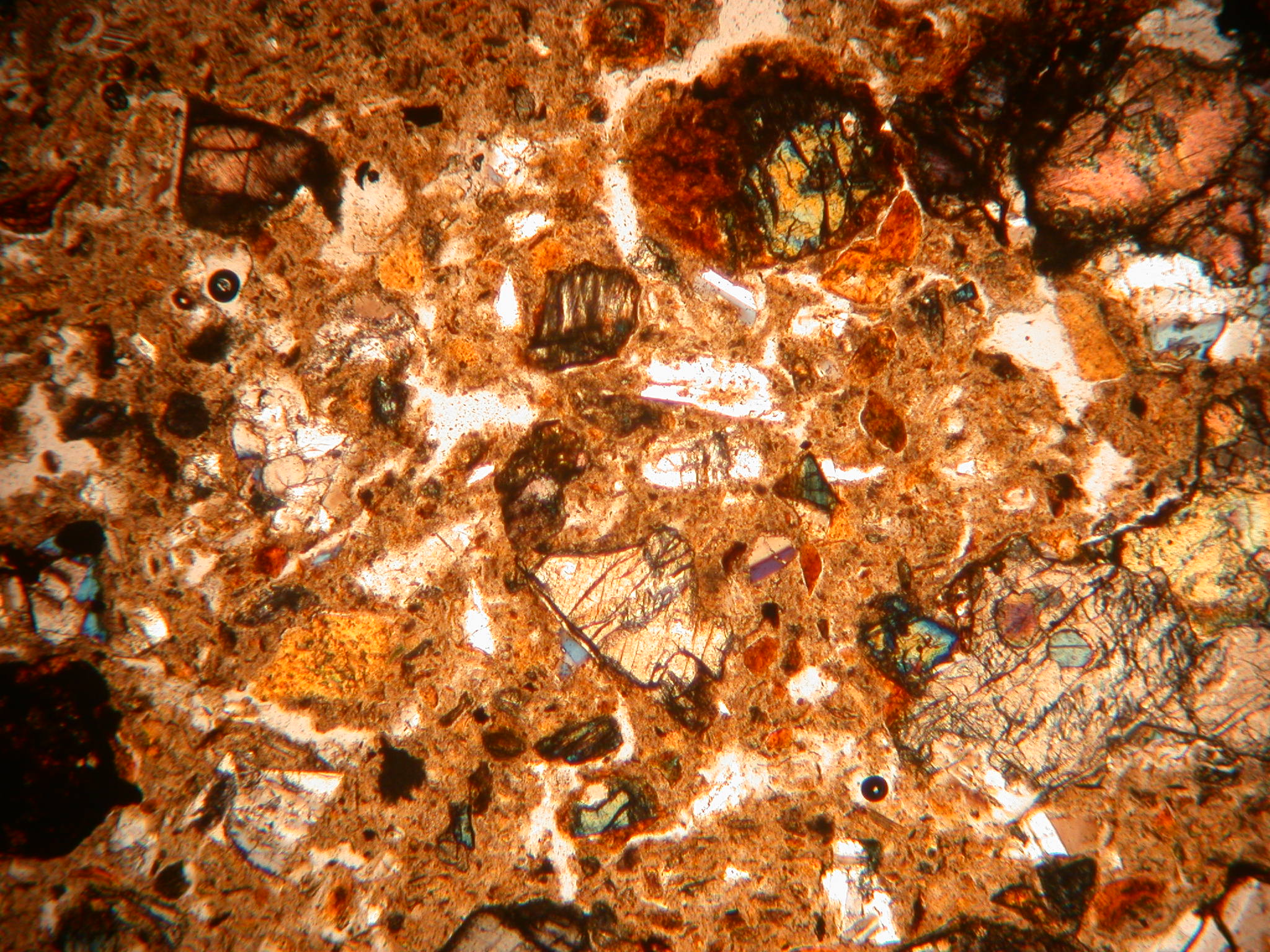
Polarized light microscopy and thin-section analysis: For assessment of physical
properties and campaign identification
Keystone regularly completes compositional analyses for composite materials such as
mortars, plasters and stuccoes from historic buildings. The primary objective of mortar
analysis varies from project to project. In some cases, mortar analysis is required to
obtain project funding. In others, it is intended to provide information on the evolution
of and changes made to an historic property over time; this can be especially critical for
HSRs or preservation plans in addressing buildings whose history is not completely
understood.. In many cases, mortar analysis is intended to provide base information on
which new repair mortars can be based.
Standardized tests produce numerical data which requires interpretation; however, similar
data can be produced by compositionally dissimilar materials. Therefore, the knowledge
and breadth of experience of the analyst is a critical component of mortar analysis. Over
the course of a decade and a half, our conservation staff has analyzed more than 600
historic composite materials, regularly employing the following analytical techniques:
Jedrzejewska calcimeter method: This technique essentially breaks down a sample into
constituent parts and provides data on the nature of the binder by gauging the extent of
its reaction with hydrochloric acid. Analysis provides quantifiable data on quantities of
calcium carbonate, soluble silicates and solids which is compared with published
experimental standards to produce volumetric information for lime, cement and sand.
Basic compositional and visual analysis: Mortars based on different materials (lime, clay,
cement and pigments) not only look different, but have different reactive characteristics.
With this technique, basic acid digestion and visual assessment can provide information
on the components present within a particular mortar mix.
Aggregate matching: Original sands are extracted and isolated, and contemporary
aggregates provided to match their color and gradation.
Replication mortars: We are often asked to produce replication discs to exactly match
the color, texture and composition of the original mortars; doing so can often save time
which would otherwise be spent for quality mock-ups during construction.
Polarized light microscopy and thin-section analysis: For assessment of physical
properties and campaign identification
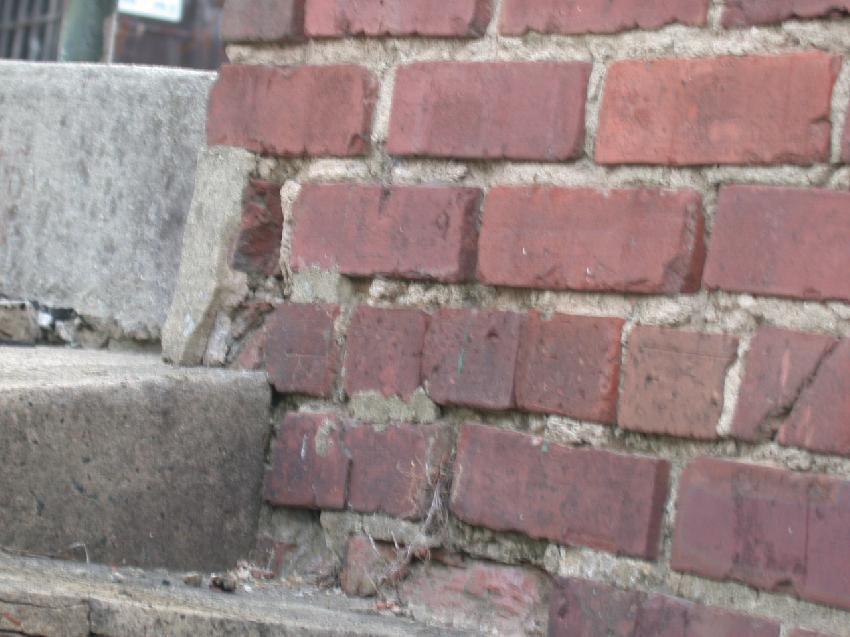
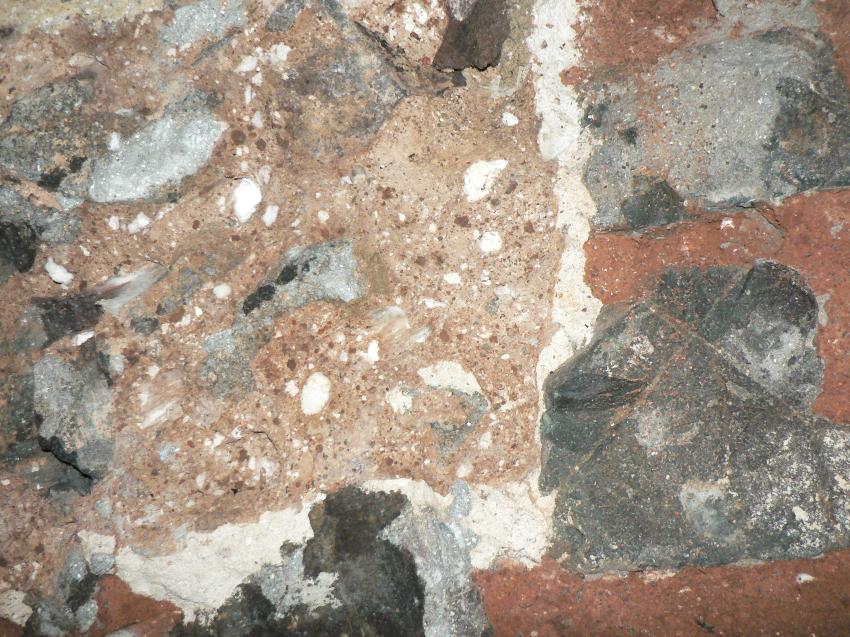
Deteriorated mortar: American Tobacco
Pigmented mortars: Fort Christian
Polarized light microscopy: Spangler
Farm.
Farm.
Replication: University Cottage Club


 |  |  |  |  |  |
Keystone Preservation Group
Historic Preservation, Architectural Conservation, Scope Consultation, RITC Consulting
Historic Preservation, Architectural Conservation, Scope Consultation, RITC Consulting
Replication: Matching sands
Replication: Matching historic mortars